Architecture
Architectural Foundation
I was an architect before becoming a UX/UI designer, and it shaped me as a designer in ways I still rely on today. Working on residential buildings, hotels, restoration projects, and public spaces taught me to think in systems, design for people first, and solve complex problems with clarity and structure.
Year :
2019-2023
Industry :
Architecture & Design
The Work :
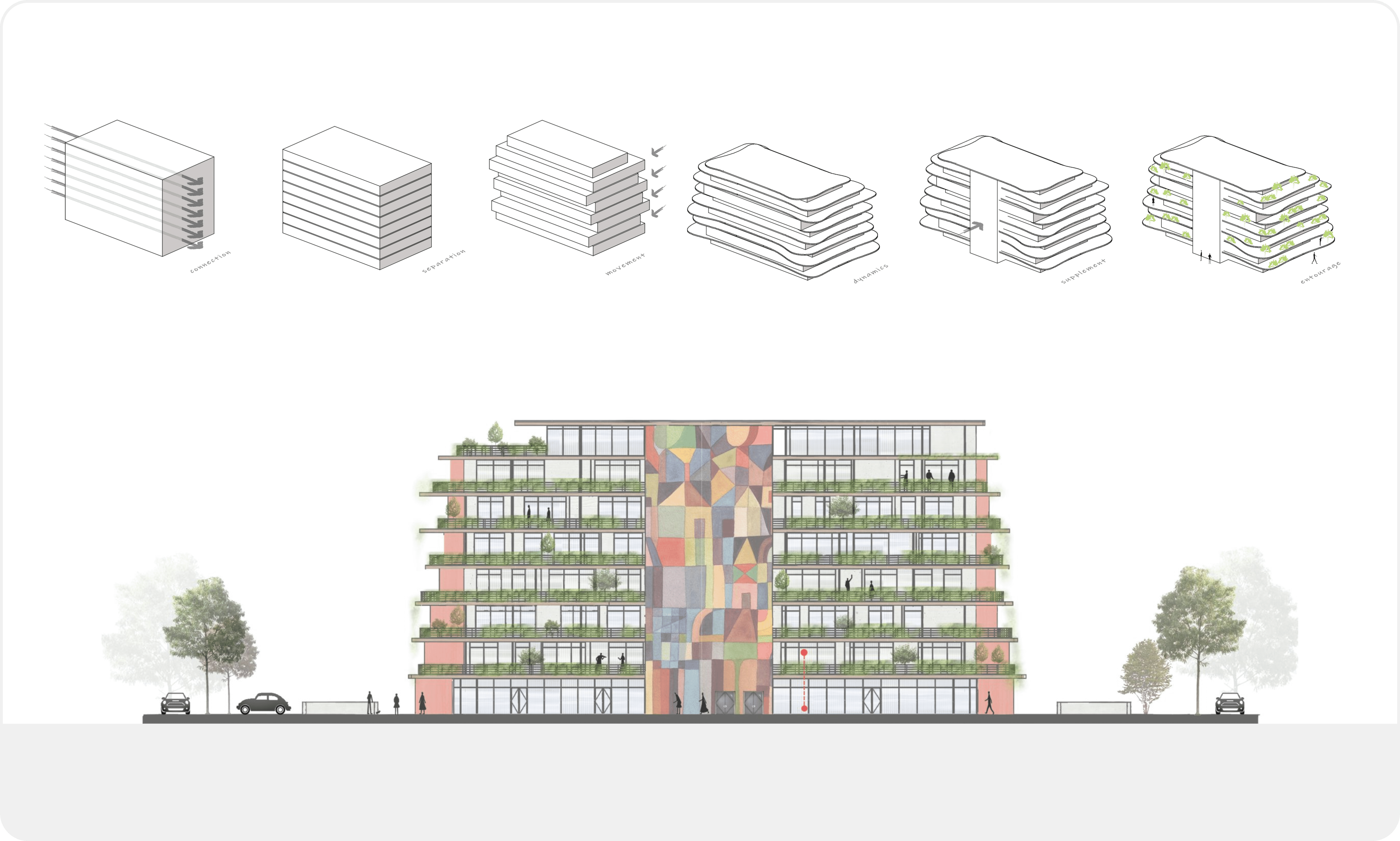
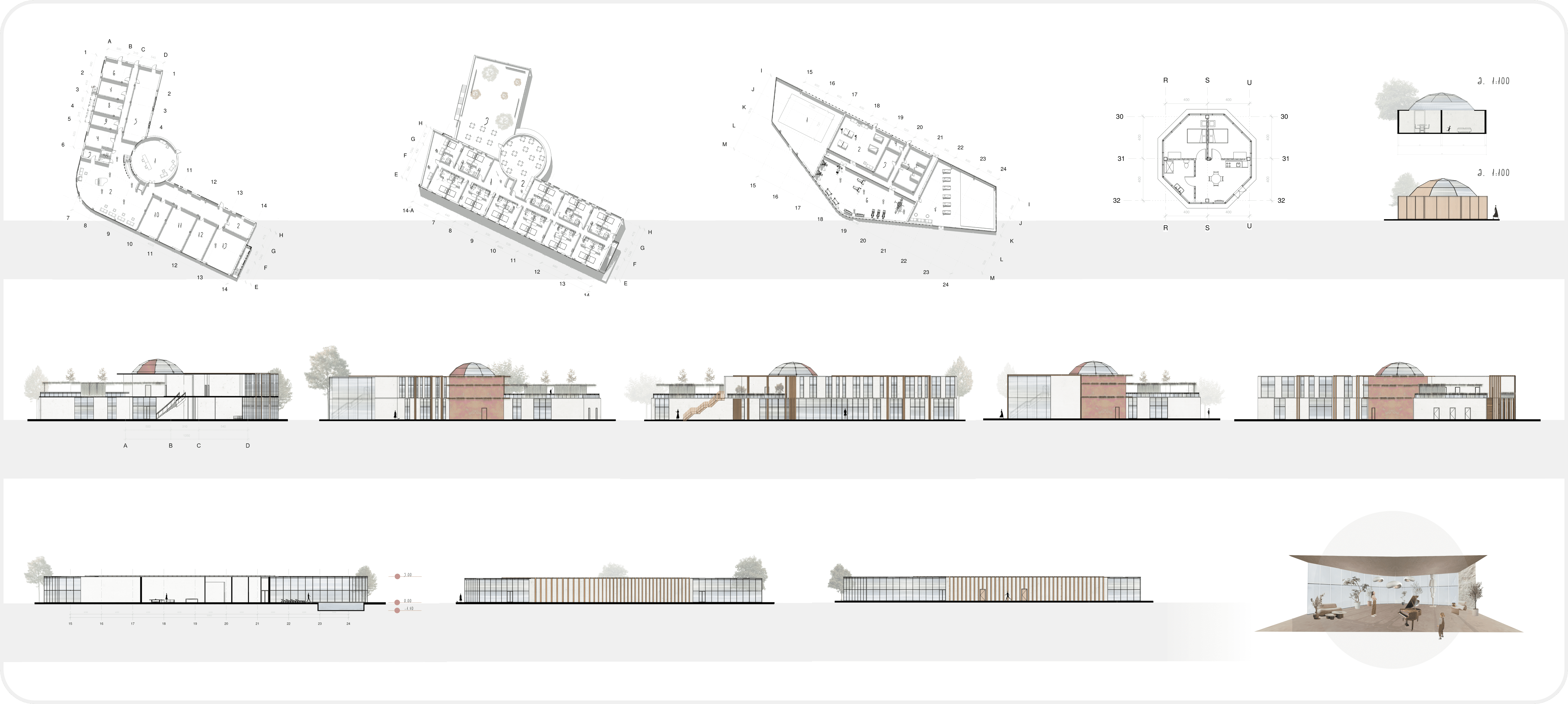
Before digital products, I designed physical spaces. My architecture practice spanned diverse scales and complexities: residential buildings, hospitality projects including hotels and a wine factory, a rehabilitation center complex for victims of domestic violence, landscape interventions like urban park design and university yard renewal, and restoration work breathing new life into historical structures in Old Tbilisi. Each project demanded a different lens - some prioritized function and safety, others atmosphere and experience, many required balancing preservation with progress.
Spatial Thinking :
Architecture taught me to think in systems. A building isn't just walls and windows - it's circulation patterns, sight lines, how people move through space, where they pause, what they notice first. Interior projects sharpened my attention to detail and atmosphere. Landscape work taught me to design for growth and change. Restoration projects showed me how to respect what exists while solving for what's needed. Every discipline reinforced the same truth: good design considers the whole, not just the parts.
Constraints & Collaboration
Architecture is problem-solving under pressure. Every project came with constraints: budgets, regulations, site conditions, client expectations, structural limitations, historical preservation requirements. I learned to work within these boundaries creatively rather than fight them. I learned to listen, adapt, and defend decisions with logic rather than ego. Those skills - navigating constraints, coordinating stakeholders, iterating under feedback - are the same ones I use daily in product design.

The Bridge to Digital :
The transition from architecture to product design wasn't a departure - it was an evolution. The principles stayed the same: understand the user, structure the experience, balance constraints with creativity, design systems that work at scale. I still think about hierarchy, flow, and how people navigate complexity. I still obsess over details that most won't notice but everyone will feel. The medium changed, but the mindset didn't. Architecture gave me the foundation. Product design gave me the canvas.
More Projects


Architecture
Architectural Foundation
I was an architect before becoming a UX/UI designer, and it shaped me as a designer in ways I still rely on today. Working on residential buildings, hotels, restoration projects, and public spaces taught me to think in systems, design for people first, and solve complex problems with clarity and structure.
Year :
2019-2023
Industry :
Architecture & Design
The Work :
Before digital products, I designed physical spaces. My architecture practice spanned diverse scales and complexities: residential buildings, hospitality projects including hotels and a wine factory, a rehabilitation center complex for victims of domestic violence, landscape interventions like urban park design and university yard renewal, and restoration work breathing new life into historical structures in Old Tbilisi. Each project demanded a different lens - some prioritized function and safety, others atmosphere and experience, many required balancing preservation with progress.
Spatial Thinking :
Architecture taught me to think in systems. A building isn't just walls and windows - it's circulation patterns, sight lines, how people move through space, where they pause, what they notice first. Interior projects sharpened my attention to detail and atmosphere. Landscape work taught me to design for growth and change. Restoration projects showed me how to respect what exists while solving for what's needed. Every discipline reinforced the same truth: good design considers the whole, not just the parts.
Constraints & Collaboration
Architecture is problem-solving under pressure. Every project came with constraints: budgets, regulations, site conditions, client expectations, structural limitations, historical preservation requirements. I learned to work within these boundaries creatively rather than fight them. I learned to listen, adapt, and defend decisions with logic rather than ego. Those skills - navigating constraints, coordinating stakeholders, iterating under feedback - are the same ones I use daily in product design.
The Bridge to Digital :
The transition from architecture to product design wasn't a departure - it was an evolution. The principles stayed the same: understand the user, structure the experience, balance constraints with creativity, design systems that work at scale. I still think about hierarchy, flow, and how people navigate complexity. I still obsess over details that most won't notice but everyone will feel. The medium changed, but the mindset didn't. Architecture gave me the foundation. Product design gave me the canvas.
More Projects
Architecture
Architectural Foundation
I was an architect before becoming a UX/UI designer, and it shaped me as a designer in ways I still rely on today. Working on residential buildings, hotels, restoration projects, and public spaces taught me to think in systems, design for people first, and solve complex problems with clarity and structure.
Year :
2019-2023
Industry :
Architecture & Design
The Work :
Before digital products, I designed physical spaces. My architecture practice spanned diverse scales and complexities: residential buildings, hospitality projects including hotels and a wine factory, a rehabilitation center complex for victims of domestic violence, landscape interventions like urban park design and university yard renewal, and restoration work breathing new life into historical structures in Old Tbilisi. Each project demanded a different lens - some prioritized function and safety, others atmosphere and experience, many required balancing preservation with progress.
Spatial Thinking :
Architecture taught me to think in systems. A building isn't just walls and windows - it's circulation patterns, sight lines, how people move through space, where they pause, what they notice first. Interior projects sharpened my attention to detail and atmosphere. Landscape work taught me to design for growth and change. Restoration projects showed me how to respect what exists while solving for what's needed. Every discipline reinforced the same truth: good design considers the whole, not just the parts.
Constraints & Collaboration
Architecture is problem-solving under pressure. Every project came with constraints: budgets, regulations, site conditions, client expectations, structural limitations, historical preservation requirements. I learned to work within these boundaries creatively rather than fight them. I learned to listen, adapt, and defend decisions with logic rather than ego. Those skills - navigating constraints, coordinating stakeholders, iterating under feedback - are the same ones I use daily in product design.
The Bridge to Digital :
The transition from architecture to product design wasn't a departure - it was an evolution. The principles stayed the same: understand the user, structure the experience, balance constraints with creativity, design systems that work at scale. I still think about hierarchy, flow, and how people navigate complexity. I still obsess over details that most won't notice but everyone will feel. The medium changed, but the mindset didn't. Architecture gave me the foundation. Product design gave me the canvas.